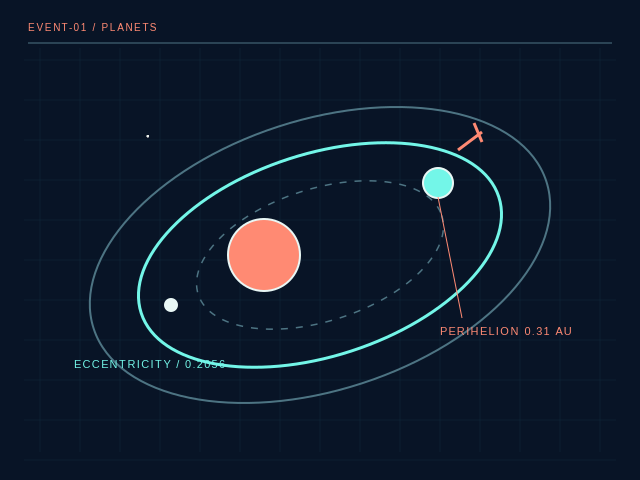
Topic 0106 events
Planets
Orbits, phases, oppositions and the changing geometry of our neighbouring worlds.
Explore planetsAn independent space for looking up
A planetarium for precise explanations and unhurried observation. Follow an orbit, draw a constellation, then test the idea beneath our simulated sky.
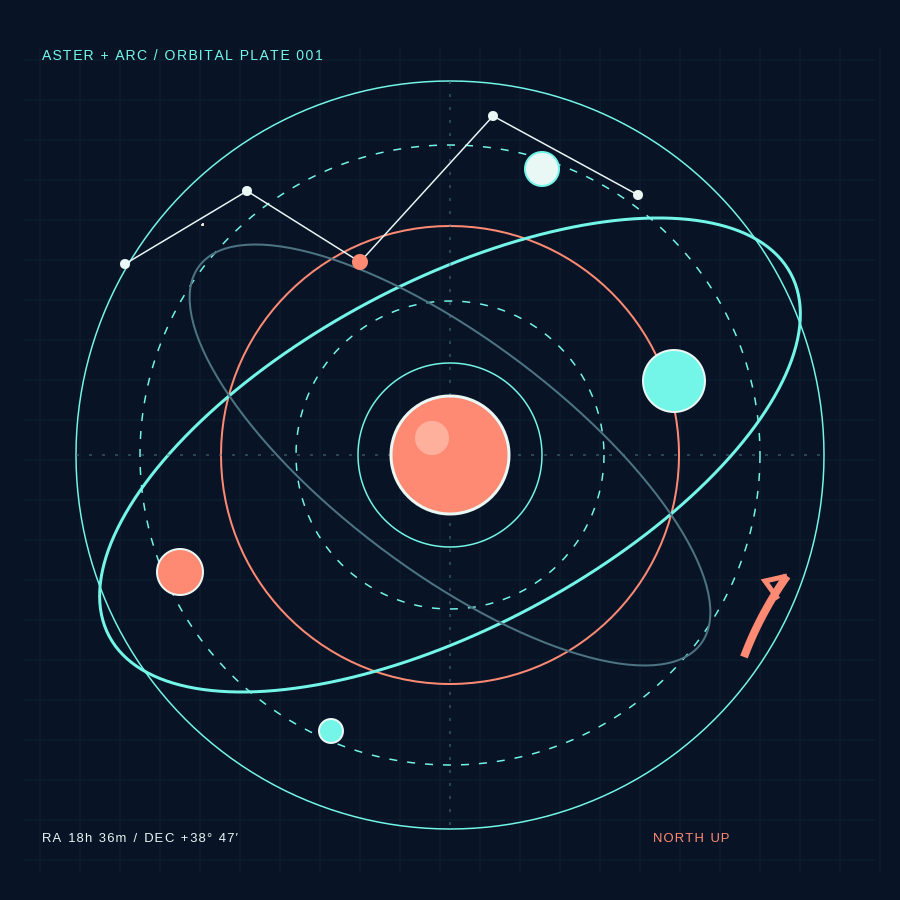
Choose a line of enquiry
Each topic has six standalone programmes. Start with the object that holds your attention; no fixed route or prior knowledge required.
Orbits, phases, oppositions and the changing geometry of our neighbouring worlds.
Explore planets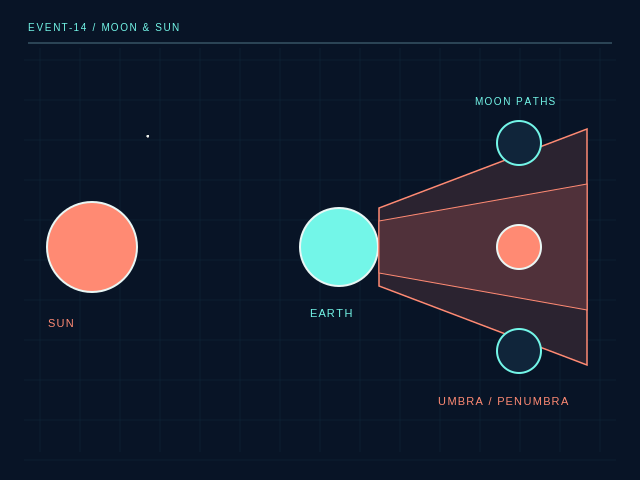
Light, shadow and safe projection, from a first-quarter crater to eclipse geometry.
Explore Moon & Sun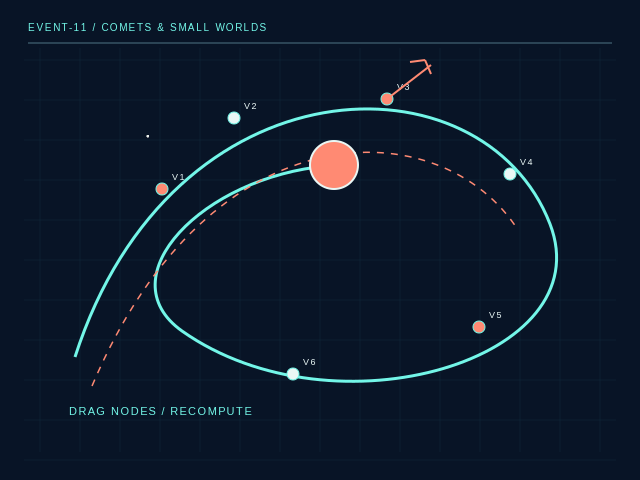
Follow icy tails, rocky light curves and the elegant mathematics of smaller bodies.
Explore small worlds
Build a mental atlas with seasonal constellations, double stars and measured light.
Explore sky mapsThe Aster & Arc method
Our invented programmes begin with a question, not a script. A guide introduces one useful model, visitors manipulate it, and the group compares what the model predicts with what they can observe.
Every session is self-contained. Family events use tangible models; advanced events add measurement and uncertainty without assuming a mathematics background.